OPEN YOUR EYES
CENTRAL AFRICAN REPUBLIC & DEMOCRATIC REPUBLIC OF CONGO MOST IMPORTANT AND DEADLY CRISES
When we understand the past and the present, we give ourselves the power to change what comes next
Simple explanation, verified facts, and meaningful perspectives on two Africa’s longest Crises.
Central Africa Republic : ( since 2013 )
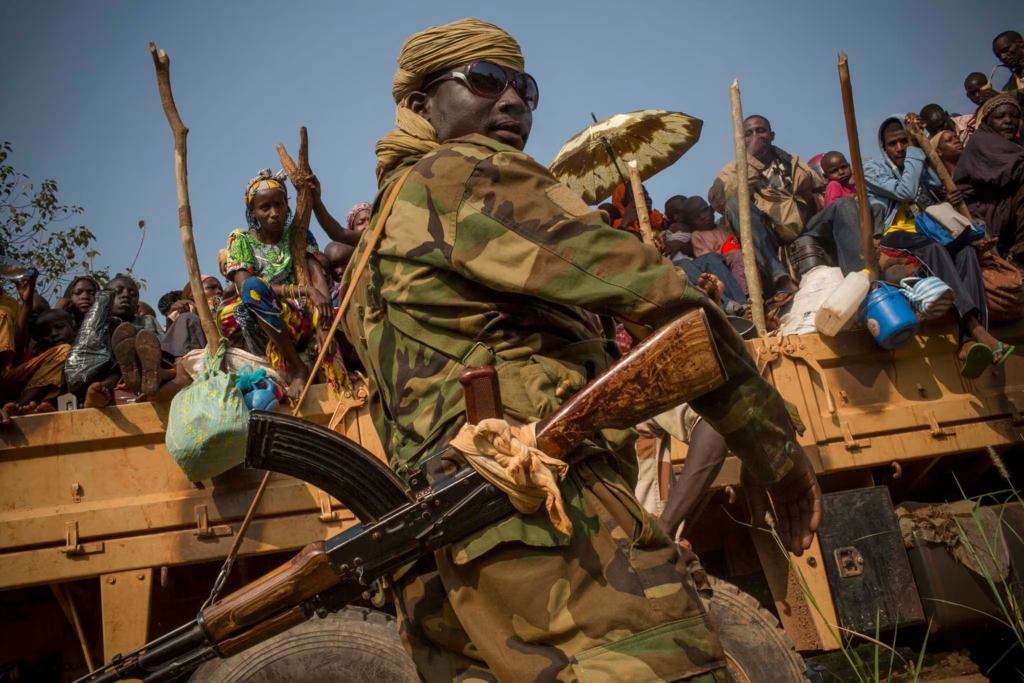
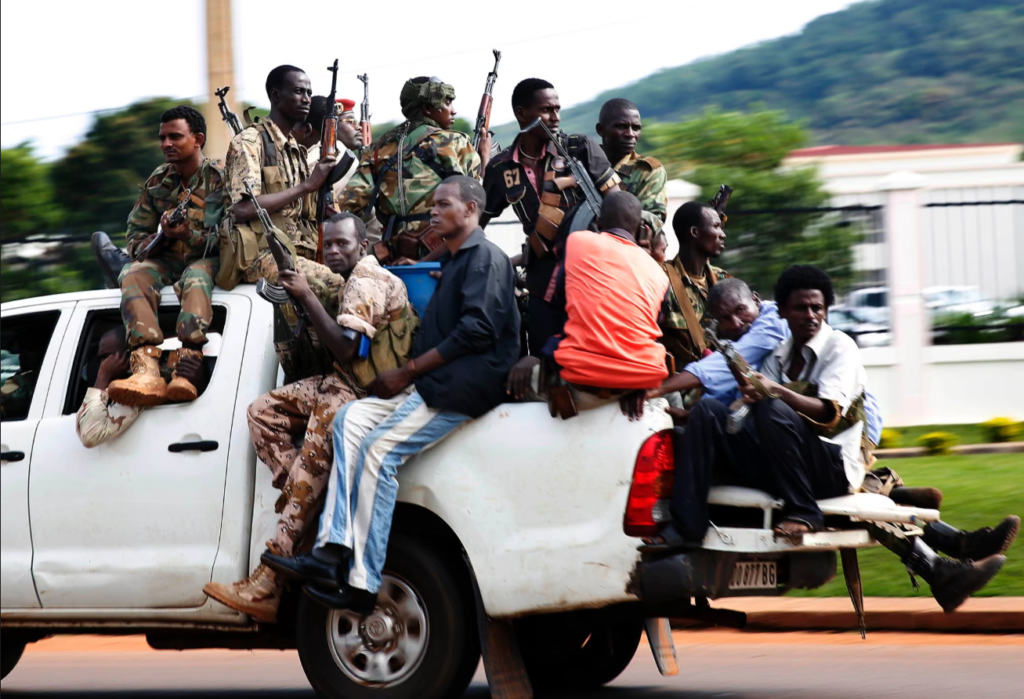
During December 2012 festive period in Central African Republic, The president François Bozizé got attacked by a group of rebel as a coalition named “Séléka” which has as signification “alliance” in sango ( National Central African Republic language spoken by a large part of the population). The reason of this lauched offensive against the president by those rebels is the fact that the president supposedly failed at respecting the peace agreements that were signed in April 2007 and June 2011. The 2007 Peace agreement signed at Birao scripulated that the Central African government and the UFDR rebels( Union des Forces Démocratiques pour le Rassemblement : It is a rebel group in the Central African Republic involved in the country’s conflicts) will stop fighting, grant amnesty to rebels, integrate them into the national army, and finally make the UFDR a political party. The 2011 agreement at Libreville had the same vision of reconciliation and peace between the government and several armed groups and preparation for fair elections. But as we know those agreements weren’t respected.
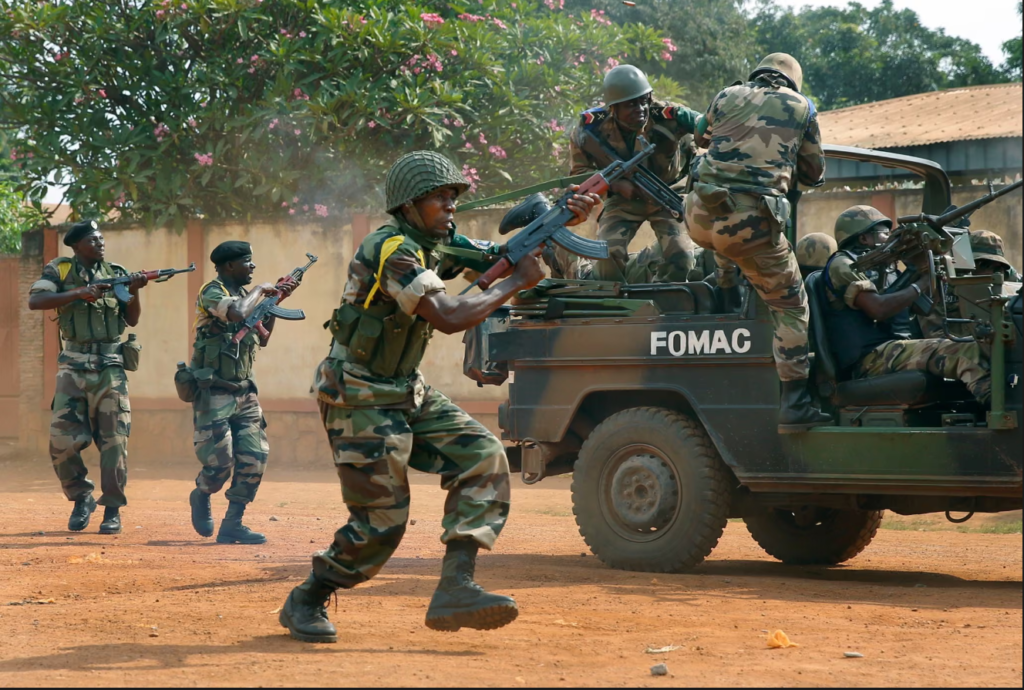
The 2013 year, started with more intense offensives by the rebels. The capital Bangui was finally captured by the Séléka group leaded by Michel Djotodia, who subsequently obligated the president Bozizé to abscond. Michel Djotodia finished by becoming the first CAR’s Muslim president. Following those events, the Séléka fighters started abusing of their power on the population by leading horrible actions such as looting, killing and sexual violence. In response to all those violence a self defense group is formed which is named anti-Balaka militias. They are mostly Christians that attack Muslim civilians, those attacks led to a cycle of revenge killing. By December 2013, the situation has gotten worse reaching a whole sectarian conflict between Muslims and Christians, even after the resignation of Michel Djotodia the atrocities continued with more than a million people forced from their homes.
Democratic Republic of Congo: ( since 1998 )
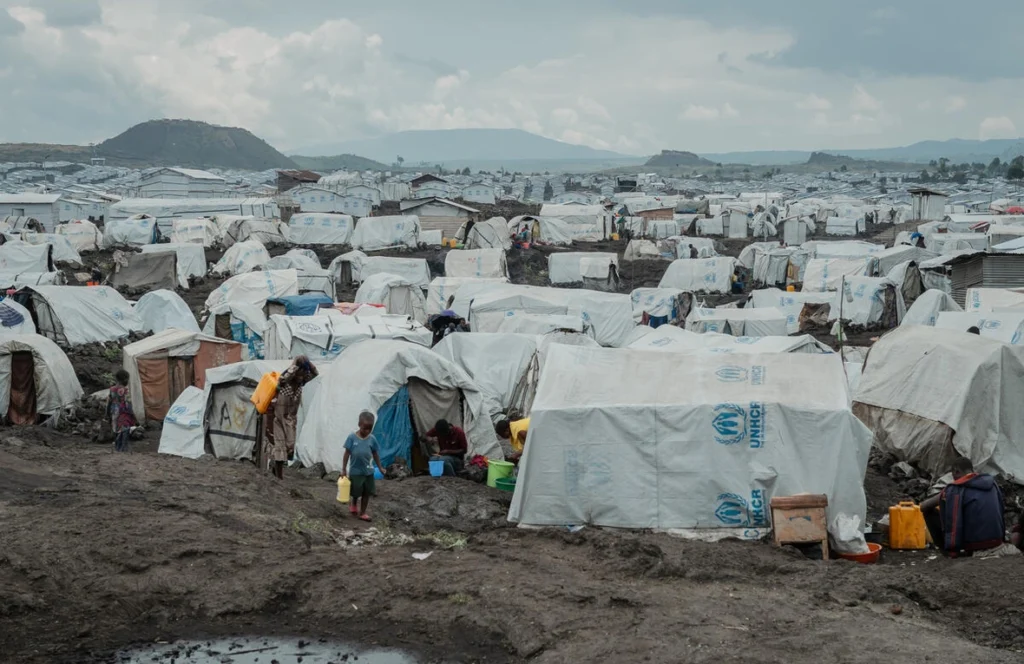
On the 2nd of august 1998 Democratic Republic of Congo, the rebel groups that are supported by Rwanda and Uganda starts a fight against the President Laurent-Désiré Kabila’s forces. This event was the spark that ignited the flames of the second Congo war, second because just a year before had occurred the first Congo war in which Kabila overpowered Mobutu Sese Seko in May 1997, Mobutu who was the previous president from 1965 to 1997. The coalition between rebels with Rwanda and Uganda started from the fact that Kabila broke ties with Rwanda and ejected their forces, their troops. Therefore the RCD rebel group (Congolese Rally for Democracy) took advantage of this factor to obtain funding and support from Rwanda and Uganda.
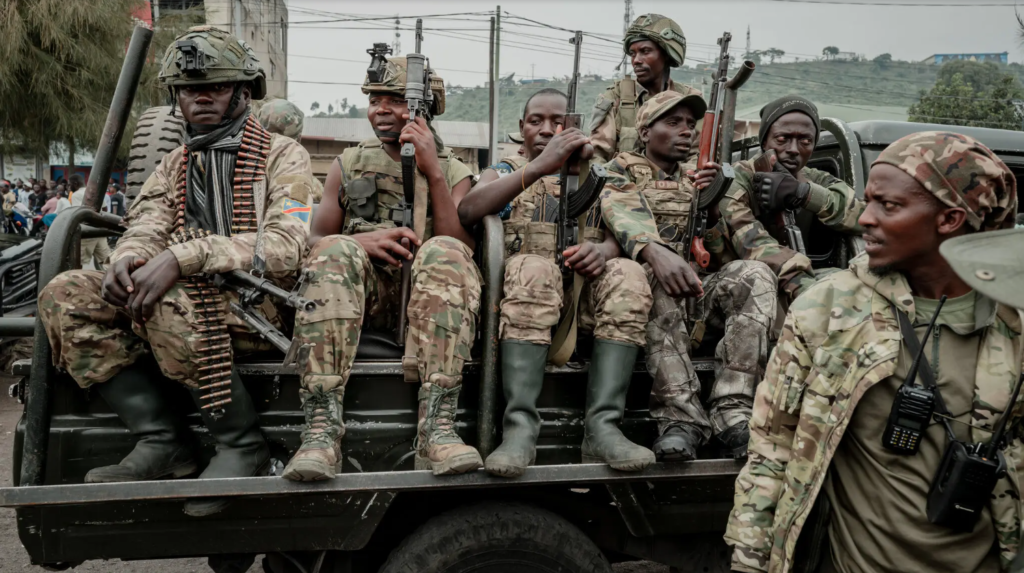
Named the “Africa’s World War” by the end of 1999 because the conflict finally included several countries of Africa, although in July 1999 the Lusaka Peace Agreement was signed, the conflicts did not end but continued with dangerous armed group such as FDLR(Democratic Forces for the Liberation of Rwanda),CNDP(National Congress for the Defense of the People) and one of the most known and actual group M23(March 23 Movement), which mostly act in the east. The M23 group resurfaced violently in 2012 as well as in 2021, even though the war was supposed to officially be over since 2003 but those armed groups kept the region in constant fear and grief since 1998.